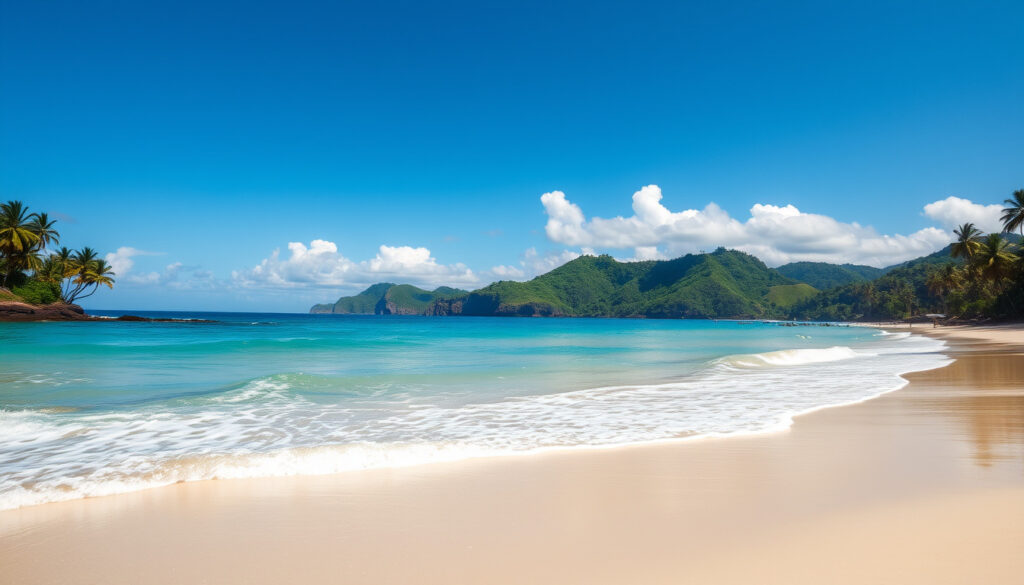
Best Time to Go to Bali: Dry Season April-October
The best time to visit Bali depends on whether you prioritize sunny skies or budget-friendly deals — because the island’s peak tourist season and its cheapest windows don’t overlap. Based on data from top travel agencies and firsthand accounts, here’s what actually happens when you visit during each season — and which window gives you the most for your money.
Dry Season: April to October ·
Peak Months: July to August ·
Rainy Season: November to March ·
Best for Beaches: May to September ·
Shoulder Seasons: April, October
Quick snapshot
- Dry season runs April to October (Bali.com)
- May through September ideal for beaches (Approach Tours)
- Best months: May, June, September (Ohana Agency)
- Exact rainfall amounts vary year-to-year
- Specific humidity percentages not documented
- Regional variations within Bali uncertain
- April–October: dry window opens (Bali.com)
- July–August: peak crowds arrive (Ohana Agency)
- November–March: rainy season begins (Lifestyle Retreats)
- Shoulder months offer best value trade-off (Approach Tours)
- Prices drop significantly post-August (The Awkward Traveller)
- December peaks with holiday surge (The Awkward Traveller)
| Factor | Details |
|---|---|
| Best Months | May to September |
| Dry Period | April to October |
| Rainy Period | November to March |
| Peak Crowds | July-August |
| Top Sources Agree | Intrepid, TUI, Kuoni |
What is the best month to go to Bali?
Most travel agencies land on the same answer: May, June, and September offer the best balance of weather, visibility, and value. The island sits in its dry season during these months, which means sunny skies, low humidity, and beaches that don’t wash up with garbage from the rest of Indonesia (currents shift during wet months, pushing debris ashore).
May and June sit right at the edge of peak season pricing. Hotels and villas charge premium rates, and popular attractions like Uluwatu Temple fill up fast. Book accommodations at least six weeks ahead if you’re visiting during these months.
Dry season overview
The dry season in Bali runs from April to October, with temperatures typically ranging between 27-32°C (80-90°F) according to Bali.com (island weather authority). Humidity stays relatively low, making it more comfortable than the rainy months despite the higher temperatures. During dry season, beaches stay cleaner and water visibility improves dramatically for diving and snorkeling.
May to September highlights
May through September are particularly fantastic months for visiting, according to Approach Tours (specialized Bali tour operator). The island comes alive with vibrant ceremonies and festivals during this window. TourRadar notes that dry season is ideal for diving and surfing due to world-renowned waters and near-perfect conditions.
Waterfall exploration hits its peak during dry season. Trails are safer, access is easier, and surrounding greenery looks most vibrant, according to Lifestyle Retreats (Bali accommodation specialist).
The pattern is clear: May, June, and September deliver the best weather-to-crowd ratio, but you pay a premium for the certainty.
What is the rainy season in Bali?
The rainy season stretches from November to March. But don’t write it off entirely — The Awkward Traveller (frequent Bali visitor) points out that showers often come in quick bursts rather than all-day deluges. You can still hit temples, SPA sessions, and cooking classes regardless of the forecast.
November to March details
During the wet season, temperatures typically range from 24-29°C according to Finns Beach Club (beach venue with local expertise). January to March represents the off-season with the heaviest rainfall and highest humidity levels. Water visibility drops and waves get bumpier, making ferry rides uncomfortable for snorkelers and divers.
Travel tips during rain
The rainy season brings cheaper prices across the board. Accommodation, transport, and tours all drop significantly in cost, per The Awkward Traveller. Fewer tourists means attractions aren’t as crowded, and the landscapes turn lush and green — a stark contrast to the dry, burnt terrain sometimes seen during peak season.
Bali is never completely dry. Even during the April-October window, unlucky travelers have reported rain every day of a supposed “dry season” vacation, according to The Awkward Traveller. Pack a light rain jacket regardless of when you go.
The catch: rainy season works for budget travelers who plan indoor activities, but weather-sensitive pursuits like diving suffer significantly.
When’s the worst time to go to Bali?
January and February typically rank as the worst months to visit. These are the wettest months with the highest humidity, and conditions can feel muggy and uncomfortable — especially for those accustomed to cooler climates.
Peak wet months
January through March represents the off-season, with the heaviest rainfall and most challenging travel conditions, according to Finns Beach Club. February sits right in the middle of the wet season with warm days mixed with quick showers, per Bali Holiday Secrets (seasonal guide).
Avoidance reasons
Water visibility drops during wet months, and waves get rougher — not ideal for the island’s famous diving and snorkeling. The Awkward Traveller notes that during the rainy season, water conditions lead to bumpy ferry rides for snorkelers and divers.
February does see one exception to the slow season: Chinese New Year. This holiday drives a significant surge in visitors from China and surrounding regions, creating a brief but notable spike in crowds and prices despite the rainy weather.
The implication: if water activities matter to you, skip January through March entirely — even Chinese New Year can’t offset the visibility and comfort issues.
Which month is expensive in Bali?
The dry season is the most expensive time to visit Bali, according to Viceroy Bali (luxury resort). During peak season (June to August), accommodation prices reach their highest levels, with some properties charging double or triple shoulder-season rates.
Christmas and New Year create a secondary peak that often rivals July-August pricing. December to mid-January is one of the busiest times on the island, especially around the holiday period, according to The Awkward Traveller. Holiday weeks see accommodation and car rental prices reach all-time highs.
July-August peaks
Peak season in Bali runs July–August (summer holiday peak) and late December through early January (Christmas/New Year peak), according to Ohana Agency (Bali destination specialist). During these windows, prices surge across accommodation, transport, and activities.
Budget shoulder alternatives
Shoulder months (April, May, September, October) offer a balance of good weather and smaller crowds with lower prices than peak summer, per Approach Tours. Late August to early September hits a sweet spot with great weather as peak season crowds begin to lessen.
Upsides
- Dry season: clean beaches, great diving conditions, vibrant ceremonies
- Shoulder months: balanced weather, smaller crowds, lower prices
- Rainy season: cheapest costs, lush landscapes, no crowds
Downsides
- Peak season: highest prices, most crowded attractions
- Wet season: rough water conditions, high humidity, reduced visibility
- December-January: holiday pricing despite rainy conditions
What this means: if your budget is tight, avoid June-August and the December-January holiday window — shoulder months deliver 70% of the good weather at half the price.
Best time to visit Bali for specific trips?
Different travelers have different priorities. Here’s how to match your travel style to the right season.
Honeymoon
The best time for Bali weddings or honeymoons is during the dry season (May-October), according to Viceroy Bali (luxury resort). Clear skies, beautiful beaches, and the ability to plan outdoor experiences without weather anxiety make this the obvious choice for couples.
Family
May and June offer the nicest weather with cooler temperatures, according to Reddit users who have visited with children. School holiday considerations matter for UK families — July and August coincide with British summer break but also peak pricing and maximum crowds.
Less crowded
Shoulder months deliver fewer visitors. October, April, and May are technically shoulder seasons, though weather can be hit-or-miss in these transitional months, per The Awkward Traveller. January through March sees the fewest tourists overall, but brings weather challenges.
From UK
UK travelers have one advantage: Bali’s seasons run opposite to British weather. When the UK faces grey winters, Bali sits in its dry season (May-October overlap with UK summer). Flying during shoulder season (April-May or September-October) captures decent weather while avoiding peak pricing.
October or February
October sits in the dry season transition with variable weather — some years bring clear skies, others see early rains. February delivers wet season conditions but coincides with Chinese New Year, creating a brief crowd surge despite the rainy weather.
Timeline: Bali’s seasons at a glance
Here’s how each period shapes your experience on the island.
| Period | What to expect |
|---|---|
| April 2026 | Dry season begins; shoulder season with variable weather |
| May-June 2026 | Optimal balance of weather, crowds, and prices; sweet spot months |
| July-August 2026 | Peak tourist season; highest prices and maximum crowds; best weather |
| September 2026 | Shoulder season; excellent weather with declining crowds; lower prices |
| October 2026 | Shoulder season; variable weather; transition to rainy season |
| November 2026 | Start of rainy season; increasing rainfall and humidity |
| December 2025 – January 2026 | Christmas/New Year peak tourism despite weather; highest holiday prices |
| January-March 2026 | Off-season; heaviest rainfall; lowest prices; fewest tourists |
What we know — and what we don’t
Confirmed
- Dry season runs April to October across all sources
- May through September ideal for beaches and diving
- Peak pricing occurs June-August and December-January
- Shoulder months offer best value-to-weather ratio
Unclear
- Exact rainfall amounts vary year-to-year without consistent tracking
- Specific humidity percentages not documented in public sources
- Regional variations within Bali (north vs. south coast) uncertain
What people say
May through September are particularly fantastic months for visiting Bali.
— Approach Tours (specialized Bali tour operator)
The dry season is ideal for diving and surfing due to world-renowned waters and perfect conditions.
— TourRadar (travel comparison platform)
The best time for Bali weddings or honeymoons is during the dry season (May-October).
— Viceroy Bali (luxury resort)
Shoulder months offer a balance of good weather and smaller crowds with lower prices than peak summer.
— Approach Tours (specialized Bali tour operator)
For UK travelers, the choice comes down to priorities: if perfect weather and activities outweigh budget concerns, book May, June, or September and reserve accommodations early. If savings matter more than sunshine, consider the shoulder months of April, May, or October — or embrace the off-season gamble of January through March, when the island’s lusher landscapes and empty beaches come at a steep discount.
What is the 6 month rule in Bali?
Most visitors to Bali need a passport valid for at least six months beyond their planned departure date. This immigration requirement applies regardless of visa type and is standard for Indonesian entry.
Is $1000 enough for a week in Bali?
Budget travelers can manage on $1000 for a week in Bali, covering mid-range accommodation, local food, transport, and activities. Peak season or luxury stays would require more. Off-season travel stretches this budget significantly further.
How much money will you need for 2 weeks in Bali?
Two weeks in Bali typically costs $1500-$3000 for mid-range travelers, depending on accommodation choices and activities. Budget travelers can manage on $1500, while those seeking luxury experiences should budget $3000 or more.
Can I wear red in Bali?
While Bali is generally tolerant of tourist attire, red is associated with spiritual significance in Hindu ceremonies. For temple visits, opt for modest clothing covering shoulders and knees regardless of color.
What is the best time to visit Bali less crowded?
January through March sees the fewest tourists, though rain is heaviest. Shoulder months like April, May, September, and October offer a better balance — smaller crowds with decent weather and lower prices than peak season.
Is February a good time to visit Bali?
February sits in the wet season with heavy rainfall and high humidity. However, it coincides with Chinese New Year and sees lower prices overall. Budget travelers comfortable with rain may find value, but weather-sensitive activities will suffer.
What is the best time to go to Bali from the UK?
May through October aligns best with UK travel patterns — Bali’s dry season offers ideal weather while the UK experiences summer. Shoulder months (April-May, September-October) provide the best value for UK visitors seeking to avoid peak pricing.
Related reading: Weather Forecast · Trip a Deal Reviews
More related posts
 The Voice Australia 2025: Winner, Judges, Finalists & Results
 Isaiah Iongi Injury, Heritage and Eels Career
 Billy Walters: Legendary Gambler and NRL Star Full Story
 Big W Gawler – Location, Hours and Contacts
 Jason Sudeikis: Biography, Kids, Net Worth and Ted Lasso
 Alcohol Delivery Near Me: Fast Options & Health Rules
 Advantan Fatty Ointment: Uses, Strength, Prescription & More
 Margaret Pomeranz: Life, Legacy & David Stratton Tribute
