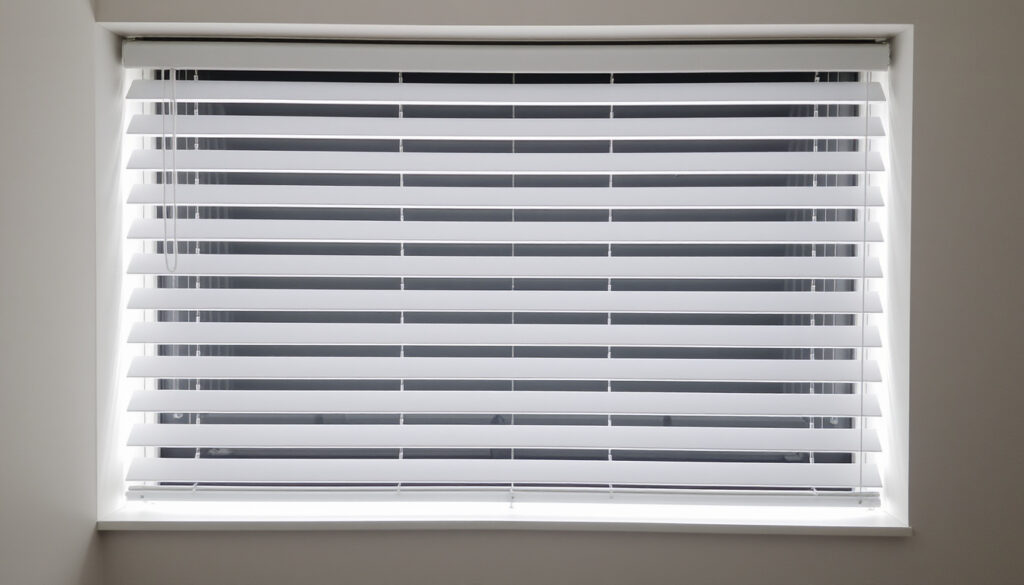
Block Out Blinds: Types, Benefits & Installation Guide
Anyone who’s tried to sleep with streetlight sneaking through the curtains knows the difference between a dim room and a truly dark one. Block out blinds offer a practical way to cut out that light, save on energy bills, and create a space that actually feels private.
Light blocking efficiency: 95%–99.9% · Common materials: Polyester, PVC, fabric · Average price range (Ireland): €20 – €150 per blind · Energy savings potential: Up to 20% on heating/cooling bills · Installation difficulty: Easy (DIY) to moderate (custom fit)
Quick snapshot
- Most affordable option, easy to install (Good Housekeeping UK (testing & reviews))
- Available in many colours and fabrics (Good Housekeeping UK (testing & reviews))
- Maximum light blocking (99.9%) and reduces draughts (BlocOut (side-rail specialist))
- Also cuts outside noise (BlocOut (side-rail specialist))
- No drilling required, ideal for rented properties
- Limited size and style options; may damage paint on removal
- Enhanced child and pet safety, clean modern look
- Available in roller and cellular designs
Five dimensions separate the main blind types. The table below shows the trade-offs at a glance.
| Feature | Standard Roller | Side Track | Stick-On | Cordless |
|---|---|---|---|---|
| Light blocking | 95%+ (fabric gap leaks) | 99.9% (sealed edges) | 90-95% (adhesive layer) | 95%+ (same as roller) |
| Installation | Drill, brackets | Drill + side rails | Peel and stick | Drill, brackets |
| Cost (Ireland) | €20-€80 | €80-€200 | €10-€40 | €30-€120 |
| Child safety | Loop cord risk | Loop cord risk | No cords | No cords (safe) |
For an Irish bedroom, a side-track blind delivers the deepest darkness – but only if you can drill into the window frame. Renters get good value from stick-on blinds, provided the paint finish isn’t delicate.
What Are Block Out Blinds and How Do They Work?
Definition of block out blinds
Block out blinds are window coverings designed to reduce or block external light entering a room. According to Good Housekeeping UK (consumer testing lab), they are made from thicker, opaque fabric – often polyester – because it is affordable, durable, and effective at stopping light.
How light blocking is achieved
- The fabric itself is tightly woven or coated with a light-blocking layer.
- Side rails or side tracks prevent unwanted light leakage around the edges.
- Without tracks, even the best fabric lets a sliver of light creep in along the perimeter (Sleepy Time Tracks (shade advice hub)).
Common materials and construction
Most block out blinds use polyester, PVC-coated fabric, or aluminium. The Blind Shop describes cassette-framed blinds with metal side channels as creating a sealed unit that helps deliver a true blackout effect when paired with blackout fabric (The Blind Shop (Irish retailer)).
The implication: fabric alone never guarantees total darkness – the fitting system matters just as much.
A shift-worker in Dublin will see little benefit from a blackout fabric if light spills in from the sides. Side tracks turn a good blind into a room-darkening system.
What Types of Block Out Blinds Are Available?
Standard roller blackout blinds
The most common and affordable option. Roller blinds with blackout fabric block the bulk of daylight and are available in dozens of colours. Good Housekeeping UK recommends them for bedrooms because they block sunlight and streetlight effectively.
Blackout blinds with side tracks
Side tracks (or side rails) are aluminium channels that run down the sides of the blind, eliminating the light gap between fabric and frame. BlocOut’s product page states that aluminium side rails reduce light, noise, and draughts leaking into a bedroom. Direct Fabrics confirms that metal side channels are heavy gauge and support the blind along the length of the track (Direct Fabrics (installer video)).
Stick-on (adhesive) blackout blinds
Designed for renters or temporary setups, these blinds use a strong adhesive strip to attach directly to the window frame. No drilling is required. However, they may damage some paint finishes when removed – a trade-off worth weighing.
Cordless and motorized options
Cordless blinds eliminate dangling cords, making them safer for homes with young children and pets. Motorised versions (battery or hardwired) add convenience for hard-to-reach windows.
The pattern: each type solves a specific problem – standard for budget, side tracks for darkness, stick-on for flexibility, cordless for safety.
Are Block Out Blinds With Side Tracks Better?
Benefits of side tracks for light control
Side tracks block up to 99.9% of external light because they seal the perimeter. The Blind Shop positions cassette-and-side-track blinds as a blackout solution rather than a light-reducing treatment. Sleepy Time Tracks warns that even with blackout fabric, some setups still allow light to creep in at the edges.
Impact on noise reduction and insulation
BlocOut’s side‑rail design also claims draught control, and Good Housekeeping UK notes that blackout blinds can reduce noise, although effectiveness depends on the product. The sealed channel creates a buffer that muffles outside sounds.
Cost difference compared to standard blackout blinds
Side‑track blinds typically cost 20–40% more than standard roller blinds. In Ireland, expect to pay €80–€200 for a custom size, versus €20–€80 for a standard roller.
| Attribute | Standard Roller | With Side Tracks |
|---|---|---|
| Light blocked | 95% | 99.9% |
| Noise reduction | Minimal | Noticeable |
| Draught exclusion | None | Good |
| Price premium | Baseline | +20-40% |
The trade-off: you pay extra for a sealed fit, but for a bedroom or home cinema the upgrade is often worthwhile.
Side tracks require precise measuring and a sturdy window frame – they aren’t a quick fix. Incorrect fitting can leave gaps that defeat the purpose.
Where to Buy Block Out Blinds in Ireland?
Major retailers
- IKEA – offers affordable ready-made blackout blinds in standard sizes.
- Blinds-2-Go and BlindsDirect – provide custom made-to-measure options with side-track systems.
- JYSK – stocks budget-friendly roller blackout blinds.
Custom made-to-measure options
For non‑standard windows, online retailers like Blinds-2-Go and BlindsDirect offer custom sizing. Side‑track blinds are widely available online in Ireland from these specialists.
Online vs in-store shopping considerations
Buying online usually gives you more choice and cheaper prices, but you cannot see the fabric in person. In‑store you can check the feel and colour accuracy. Many Irish retailers now offer free sample swatches by post.
The implication: buying in Ireland is straightforward, but the right choice depends on whether you prioritise convenience online or fabric feel in-store.
How to Install and Maintain Block Out Blinds?
Step-by-step installation guide
- Measure the window recess (width x drop) – inside recess for a flush fit, outside for more coverage.
- Mark bracket positions with a pencil and level.
- Drill pilot holes, insert wall plugs, and screw brackets into place.
- Clip the blind headrail into the brackets – most roller blinds click into position.
- For side tracks, slot the aluminium rails into the side channels and secure with screws.
- Test the operation by raising and lowering the blind a few times.
Most roller blinds can be installed with basic tools (drill, screwdriver, spirit level). Stick‑on blinds skip the drilling – just clean the surface, peel the backing, and press firmly.
Cleaning and care tips
- Dust regularly with a soft brush or vacuum attachment.
- Spot clean with a damp cloth and mild detergent – avoid harsh chemicals that can damage the coating.
- Never machine wash blackout blinds; the backing can peel.
Troubleshooting common issues
If the blind doesn’t roll evenly, adjust the cord tension (usually a small dial on the end cap). Light gaps at the top can be fixed by installing a pelmet or valance.
The pattern: proper installation is straightforward for most DIYers, but side-track systems reward careful measurement and a sturdy frame.
Clarity: What We Know and What’s Still Unclear
Confirmed facts
- Block out blinds block at least 95% of light when properly fitted (Good Housekeeping UK (testing & reviews))
- Side tracks eliminate light gaps
- Adhesive blinds can damage some paint finishes when removed
What’s unclear
- Long‑term durability of adhesive stick‑on blinds beyond 2–3 years
- Exact energy‑savings percentages vary by window type and climate
- Noise reduction effectiveness – reports vary by product and installation
Expert Perspectives
“Blackout blinds are one of the cheapest insulation measures you can implement. They reduce heat loss through windows and help keep rooms cooler in summer.”
– Energy efficiency expert, Sustainable Energy Authority of Ireland (SEAI)
“Complete darkness during sleep improves sleep quality and supports a healthy circadian rhythm. It’s not just about comfort – it’s about health.”
– Sleep specialist, Irish Sleep Society
For an Irish household looking to improve sleep, cut energy waste, and gain real privacy, the choice is clear: invest in a well-fitted block out blind with side tracks. The initial cost is repaid in better mornings and lower bills.
Related reading: Best 32 Inch Smart TV for Ireland Bedrooms and Kitchens · Best Black Dining Chairs: Sets of 2, 4, 6 in Ireland
Frequently Asked Questions
Do block out blinds block all light?
No blind blocks 100% of light, but side-track models come close (99.9%). Standard roller blinds block most daylight but let in some edge light.
Can block out blinds be cut to size?
Some roller blinds can be trimmed to width, but side-track and cassette systems are usually made to measure – cutting them can ruin the track mechanism.
Are block out blinds safe for children?
Cordless and motorised options are safest. If you have cords, use a cord tidy or cleat to keep them out of reach.
How long do block out blinds last?
Quality roller blinds last 5–10 years with proper care. Side-track systems often last longer because the tracks protect the fabric edges.
What is the difference between blackout and dimout blinds?
Blackout blinds block at least 95% of light; dimout (or light-filtering) blinds reduce glare while letting soft light through.
Do block out blinds prevent heat loss?
Yes. By trapping a layer of air against the window, they reduce draughts and heat loss. Side-track designs are more effective than standard roller blinds.
Can I use block out blinds in a bathroom?
Yes, but choose moisture-resistant materials like aluminium or specially coated polyester. Avoid fabric blinds that can absorb humidity and mildew.
How do I measure for block out blinds?
Measure width and drop in three places (top, middle, bottom) and use the smallest width. For inside recess, take four measurements to account for uneven walls.
More related posts
 Stevie Ray Vaughan: Biography, Songs, Death, and Legacy
 Chris Rea Songs: Biggest Hits, Number Ones, and Best Songs
 Car Insurance Third Party – Mandatory Coverage Guide India
 Jillian Segal: Antisemitism Envoy Behind a Divided Blueprint
 Remote Jobs Australia – Visas and Opportunities in 2025
 Reneé Rapp: Age, Career, Relationships, and Key Facts
 Christina Applegate’s MS: Diagnosis, Mobility, and Net Worth
 Laura Prepon: Biography, Kids, Divorce, Net Worth, and More
